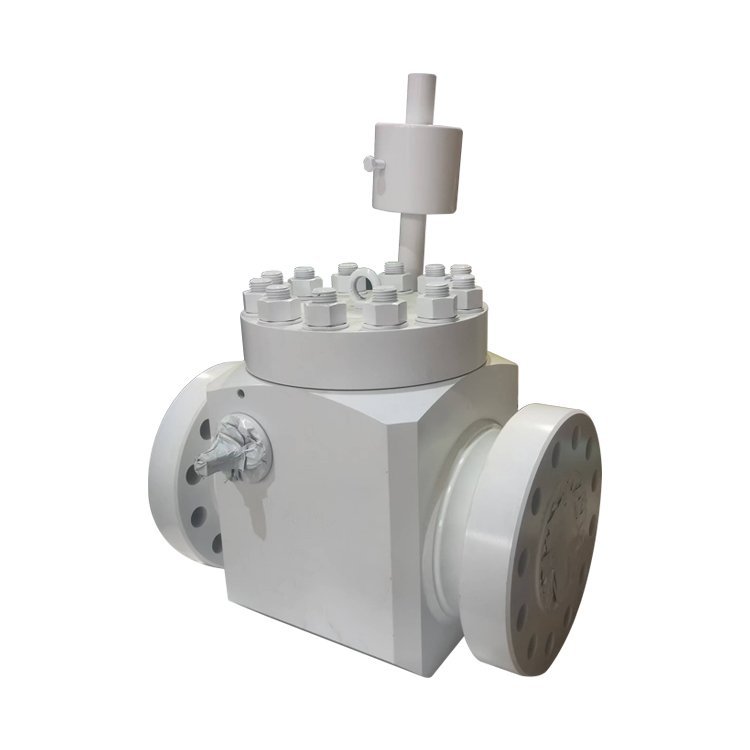
Guided lift or piston mechanism
Ask for the cutaway, guide design and spring details where applicable. Review opening differential, pressure loss and minimum stable flow.
Compare high-pressure check valves for industrial backflow prevention. Specify pressure at service temperature, reverse differential and the flow conditions that determine how the valve opens and closes.
Request a quoteAsk for the cutaway, guide design and spring details where applicable. Review opening differential, pressure loss and minimum stable flow.
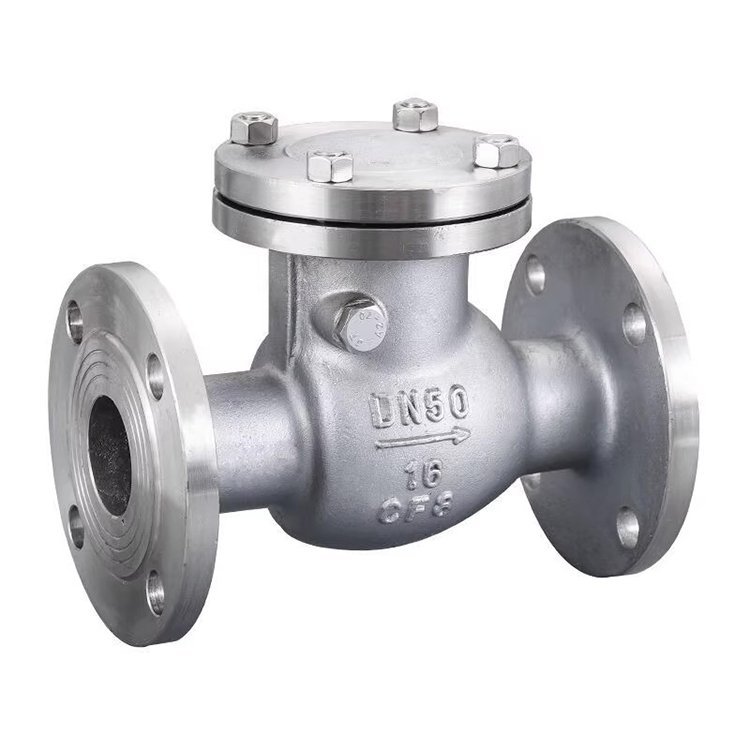
Check permitted orientation and the disc closing response in your line. Use the drawing and rating tables for the actual model and tagged pressure-temperature case.
Put design pressure and its coincident temperature on the valve datasheet. Also give normal operation, start-up and shutdown conditions where these affect selection. Ask for the pressure-temperature limits of the offered material and assembly, then check the seat and cover joint against the applicable service conditions. Set a separate reverse-leakage criterion and test basis. A pressure class is a rating designation. The pressure the valve can carry at your temperature depends on the applicable rating basis and the proposed construction.
For pump discharge, share the minimum and maximum flow, pump trip scenario, downstream head and pipe orientation. The closing behaviour depends on the valve mechanism and how quickly flow decelerates. A high body rating gives no closure-time data. Where a pump trip or load change could create a damaging transient, have the system engineer review the offered valve's dynamic characteristics. Verify available pipe length, mounting orientation and access to any cover or trim on the approved drawing.
| Item | Send with your inquiry | Check on the offer |
|---|---|---|
| Pressure boundary | Design cases at coincident pressure and temperature | Assembly rating, material specification and cover construction |
| Forward flow | Flow range, fluid properties and loss allowance | Opening differential, stability and pressure loss at duty |
| Reverse flow | Pump or system transients and steady reverse differential | Dynamic data or system review and seat leakage test scope |
| Installation | End details, piping orientation, envelope and inspection needs | Arrangement drawing, mounting limits and required records |
Compare suppliers against the same process cases and valve tag. Ask them to identify which pressure and flow data apply to the exact proposed model. If the inquiry includes a piping transient or a witnessed leakage test, call it out in the purchase basis. Val-Man can review the requested configuration and document scope from your datasheet.
Review the selection question and confirm the offered drawing, materials and requirements with your inquiry team.
Provide the maximum design pressure with its coincident temperature, along with other design cases that could control selection. State the required pressure class and governing project standard where specified. Ask for the rating of the proposed material and assembly, and list the seat leakage and differential-test requirements separately.
The cover joint construction and how its seal is loaded differ. Ask for the offered drawing and pressure-temperature basis, and review assembly, inspection and parts replacement instructions. If the project requires one joint type, put it on the datasheet and request written deviations.
Provide suction and discharge conditions, minimum and maximum flow and downstream pressure after shutdown. Include the line orientation and pump trip case. Ask the supplier to evaluate opening and steady-flow behaviour, and have the project team review any significant system transient.
Provide the pipe material, size, wall thickness and required weld-end preparation. Check the valve drawing for end geometry and installed length. Coordinate any welding procedure, heat treatment and inspection with the piping team and request the manufacturer's installation limits for the proposed valve.
Shell integrity and seat leakage are separate checks. Specify both where the purchase requires them. For the seat test, give the test pressure, medium, direction and acceptance limit. Ask for the procedure and records tied to the valve tag, including any required witness points.
Send the required size, process duty, installation dimensions and quantity.