Compare configurations
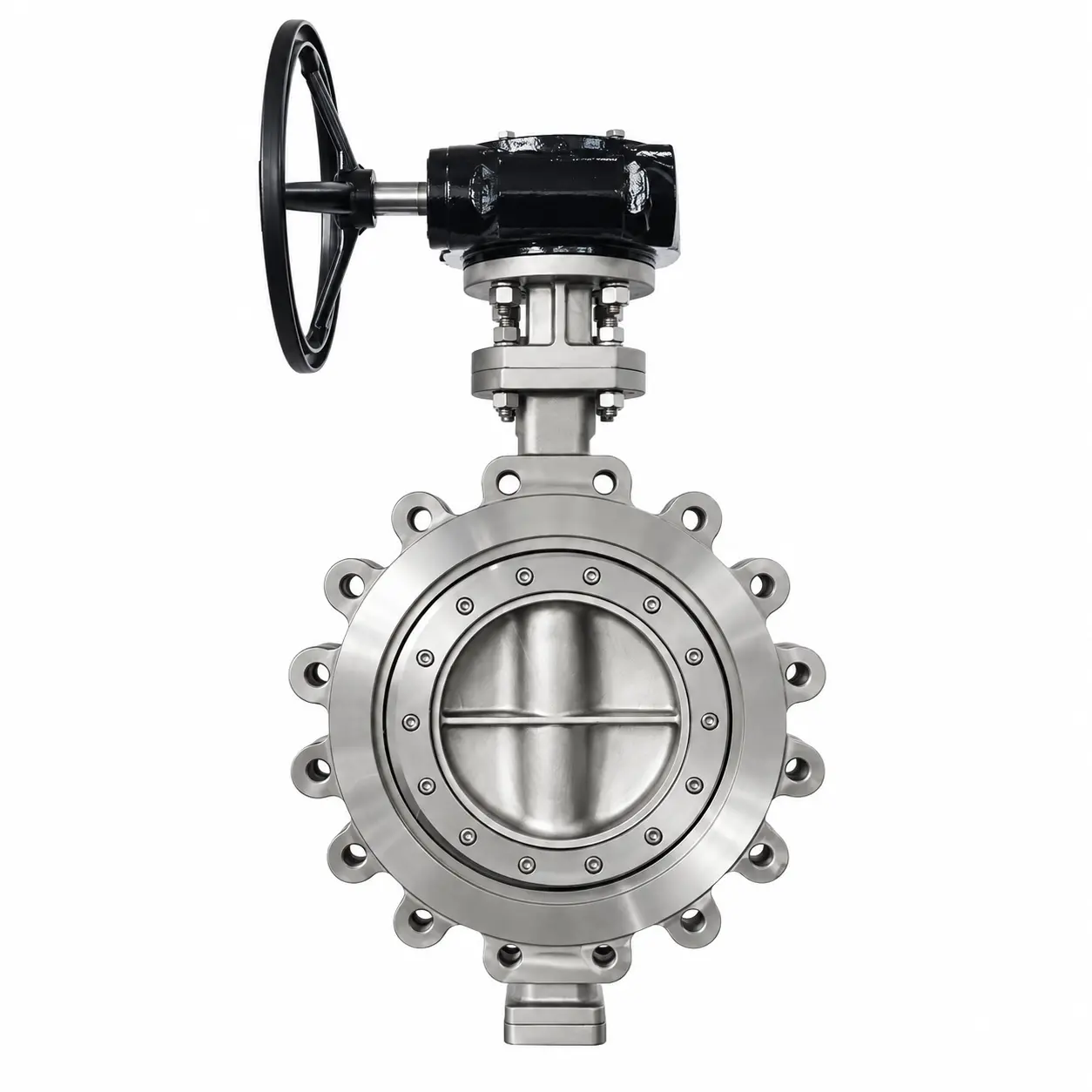
Triple offset butterfly valve
Review a metal-seated triple offset butterfly valve for quarter-turn isolation.
View product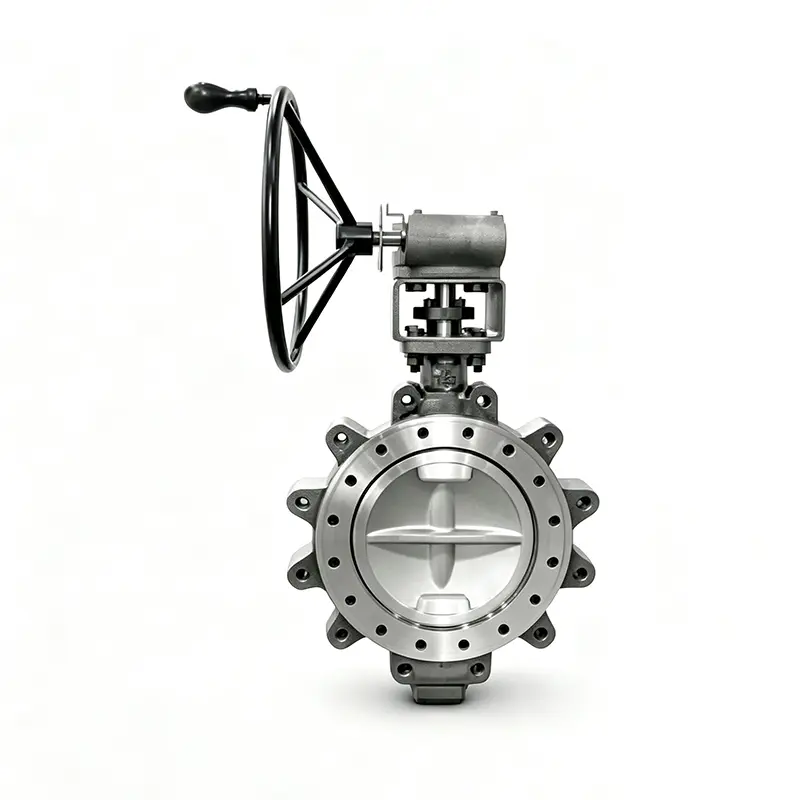
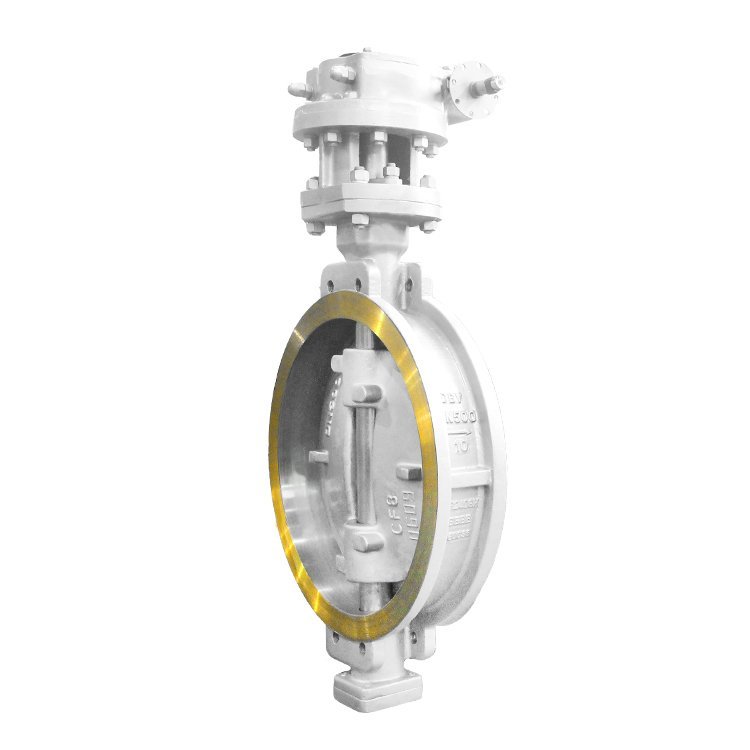
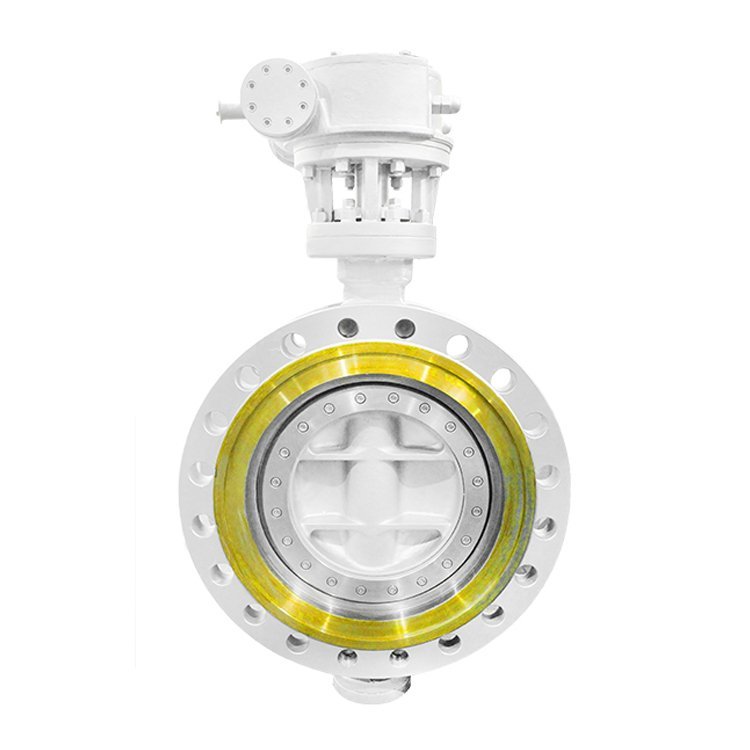
Double offset butterfly valve
Compare double offset butterfly valves for industrial isolation by seating arrangement, end connections, operating differential and actuator requirements.
View product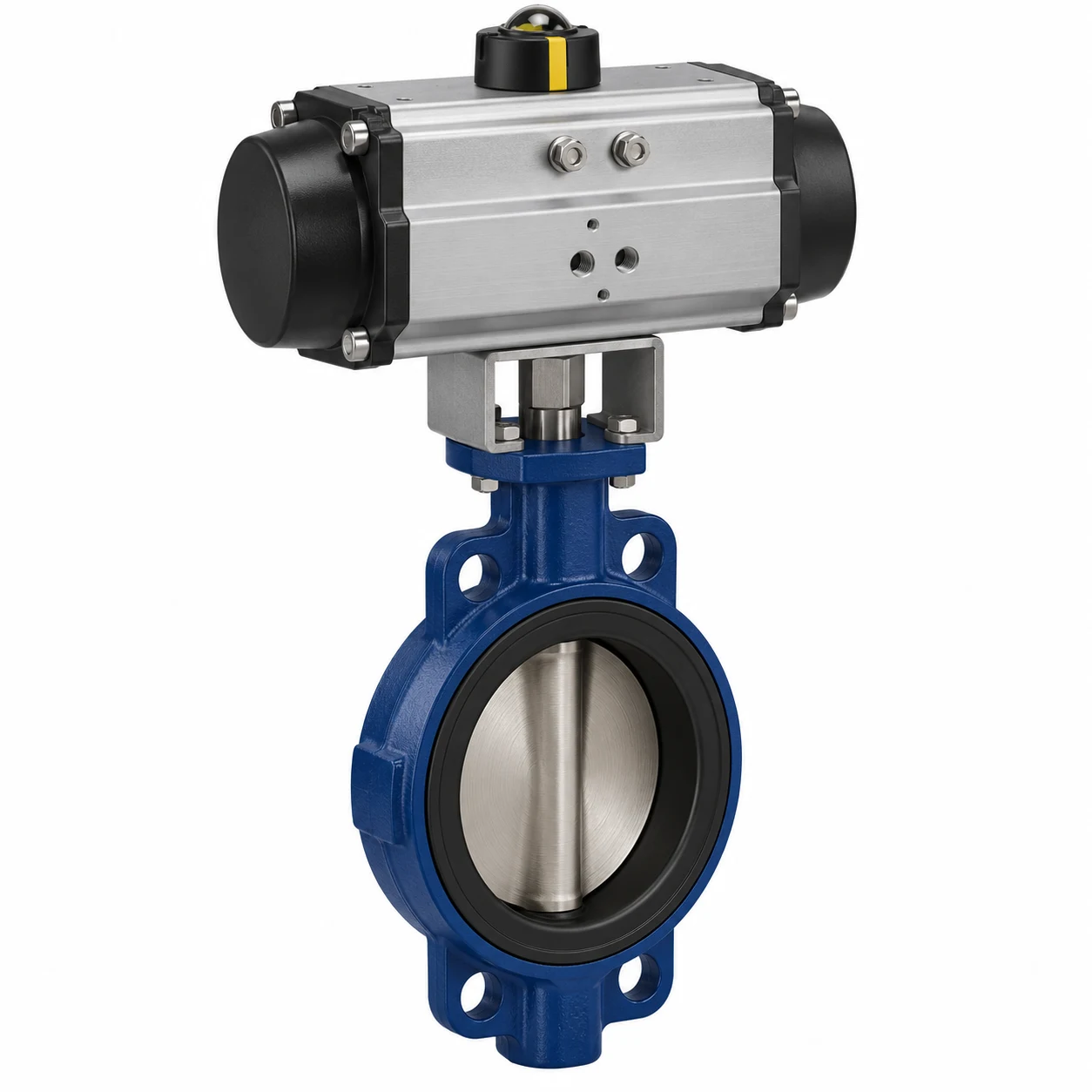
Pneumatic butterfly valve
Specify the valve body, seat and disc together with the pneumatic actuator and controls.
View product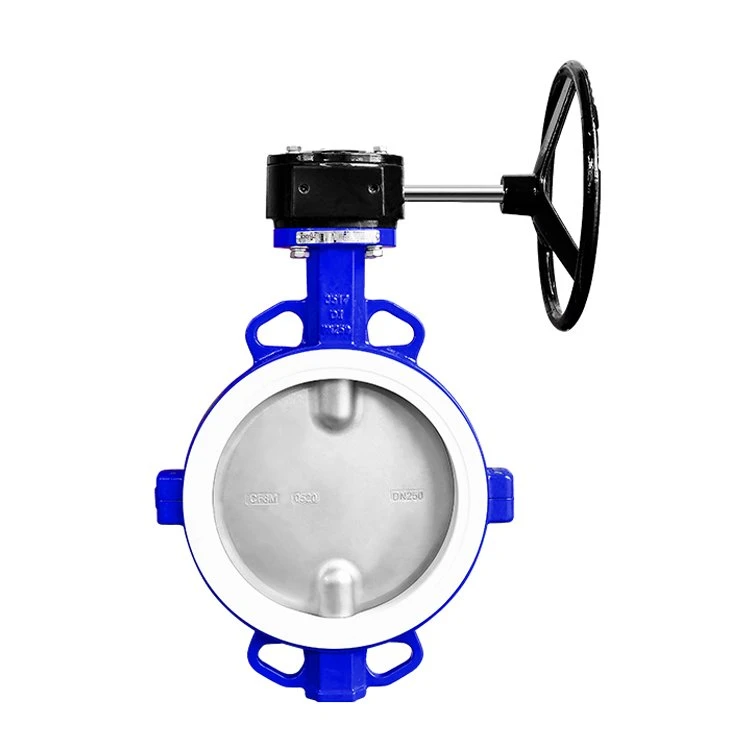
Rubber seated butterfly valve
Select a rubber seated butterfly valve by lining compatibility, pressure and installation fit.
View productFlanged butterfly valve
Compare flanged butterfly valve configurations for industrial piping.
View product
Stainless steel butterfly valve
Specify a stainless steel butterfly valve by component and service duty.
View productMetal seated butterfly valve
Compare metal seated butterfly valves by sealing construction and acceptance requirements.
View productGear-operated butterfly valve
Specify a gear-operated butterfly valve by required valve torque, acceptable handwheel effort and installation space.
View product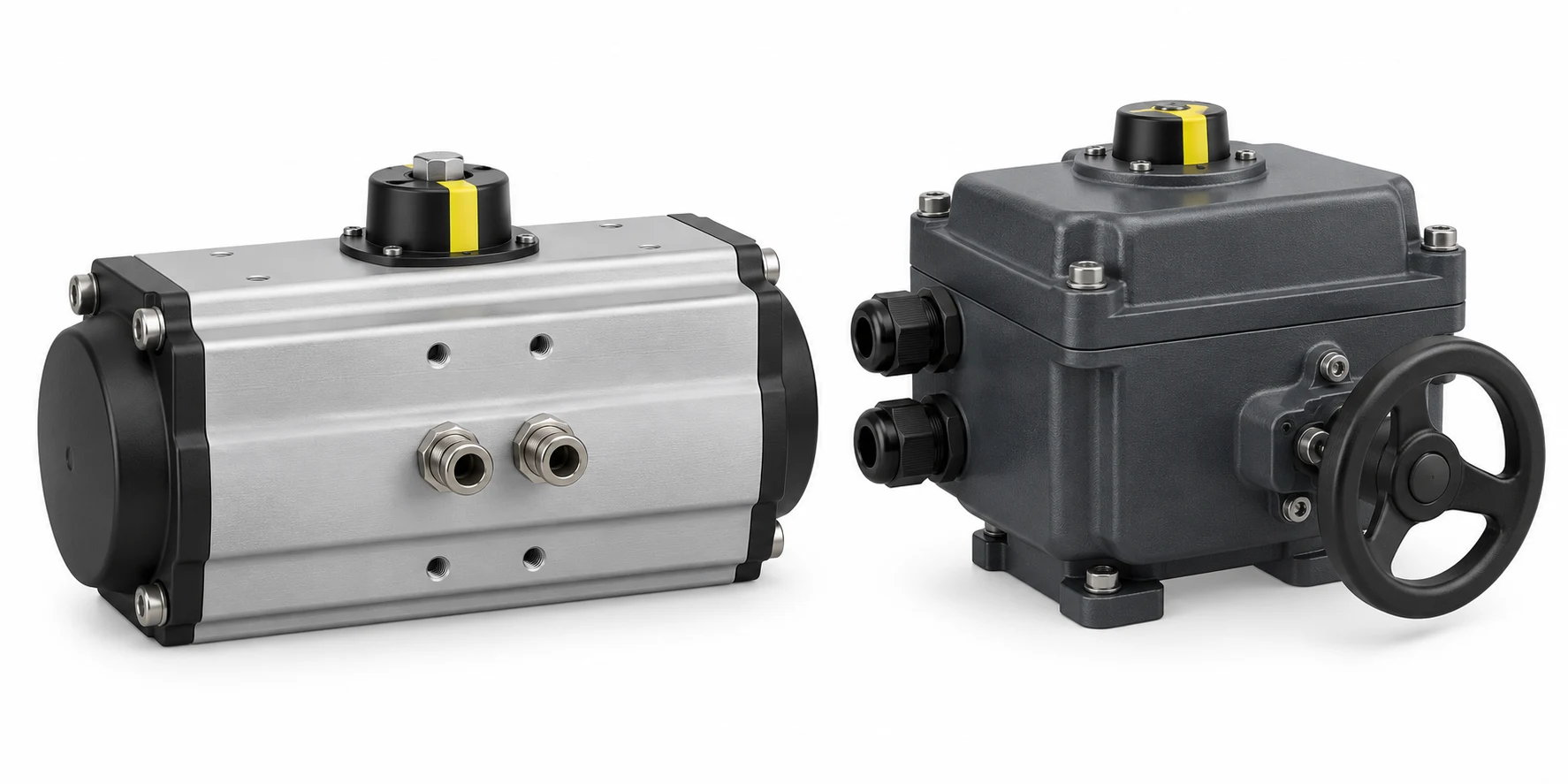
Electric butterfly valve
Specify an electric butterfly valve for remote isolation or positioning.
View productSelection and installation
A butterfly valve places a rotating disc in the flow path. Connection type, disc clearance and seat construction affect how it fits the line and what shutoff performance the offered configuration can support. Compare wafer and lug designs using the pipe layout and differential pressure in each operating condition.
Specify the flange standard and pipe inside diameter. Confirm disc swing clearance, particularly when replacing a valve adjacent to lined piping, adapters or other valves.
Common selection question
Do all butterfly valves fit between the same flanges?
Check the proposed valve drawing against the actual mating flanges, standard, pipe bore and bolt or stud arrangement. Verify the disc sweep and consider the installation hardware and gasket arrangement required by the manufacturer.
Review your project requirements
Include the operating duty, connection details and applicable acceptance criteria.