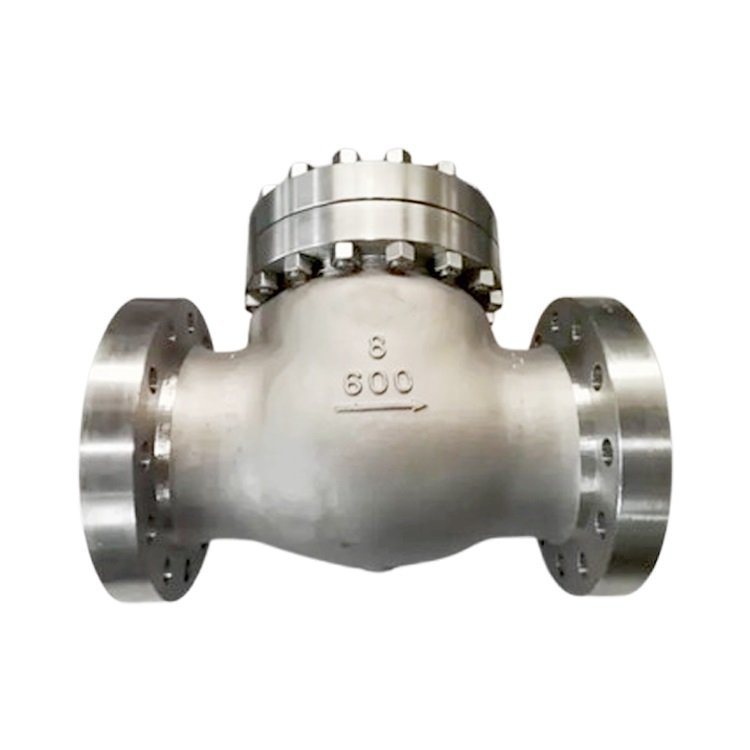
Guided lift layout
Confirm opening differential, flow loss and approved mounting orientation for the offered design.
Select a steam check valve by where it sits in the system. Compare steam-line and condensate-return requirements before specifying opening differential, closing behavior and installation.
Request a quoteConfirm opening differential, flow loss and approved mounting orientation for the offered design.
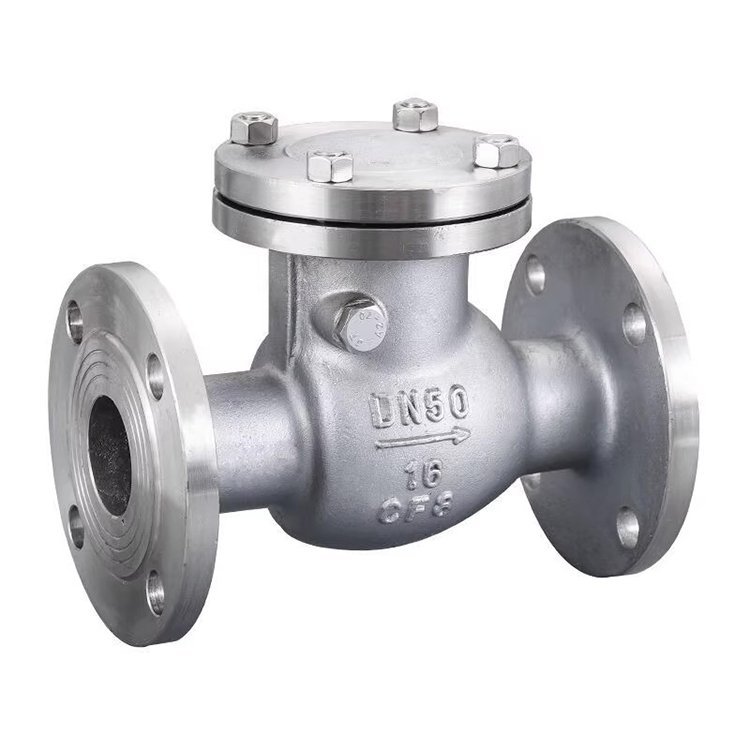
Review stable flow, closure behavior and service access. Verify the proposed model's pressure-temperature rating for its location.
Start with the valve location and identify what may flow backward. A steam supply line and a condensate line downstream of a trap have different flow and pressure conditions. For steam, state whether the expected condition is saturated or superheated and give pressure, temperature and expected flow range. For condensate, include return-line backpressure and any lift or cycling conditions. A check valve limits reverse flow. Specify a separate trap for the condensate-removal duty and follow the site's isolation procedures where positive isolation is required.
Give the minimum available forward differential and ask whether the valve will open and operate stably at the minimum flow. Cracking differential indicates the start of opening. Compare pressure loss at normal and maximum flow separately. For a trap discharge, share the pressure available across the discharge path and any elevation change. Mark pipe orientation and flow direction on the sketch. If the line has a history of hammer or noisy closure, have the system reviewed for drainage, return conditions and transient behavior before changing the valve.
| Item | Send with your inquiry | Check on the offer |
|---|---|---|
| Valve location | Steam main or condensate return and anticipated reverse-flow event | Model and mechanism matched to duty |
| Forward flow | Minimum, normal and maximum flow and available differential | Opening behavior, pressure loss and stable operating range |
| Reverse flow | Return backpressure, elevation and shutdown case | Closing characteristics and proposed seat test |
| Installation | Temperature, orientation, mating ends and service access | Rating, installation instructions and dimensional drawing |
Send Val-Man your piping sketch, steam or condensate service data and the reason for replacement. For a condensate-return line, include the trap type and return conditions. If you are investigating hammer, note when it occurs relative to start-up, shutdown or trap discharge so the system team can review the cause alongside the proposed valve.
Review the selection question and confirm the offered drawing, materials and requirements with your inquiry team.
It adds a restriction that has to fit the available differential across the discharge path. Include the trap outlet condition, return pressure, elevation and expected flow. Ask for both the opening differential and flowing pressure loss and review the complete trap and return arrangement with the system designer.
Compare the model's rating, materials, orientation limits and flow data for each duty. Steam and condensate differ in phase and may have different operating pressures, flow ranges and temperature cycles. Confirm the exact location and available differential before choosing a common configuration.
Cracking differential describes when the closure member starts to move. Flowing pressure loss depends on the valve opening and flow conditions. Request model data at the expected flow points and verify stable operation at minimum flow as well as acceptable loss at maximum flow.
Check the cause and timing of the event. Steam-system hammer can involve accumulated condensate, return-line conditions or valve closure. Share the piping layout and operating history with the system designer. Where reverse-flow closure is involved, compare dynamic data for the offered mechanism.
Follow the site's approved isolation procedure and use the devices specified for that purpose. A check valve responds to flow and differential pressure, and its seat can permit leakage within the specified limits. Include deliberate isolation as its own requirement on the piping drawing.
Send the required size, process duty, installation dimensions and quantity.