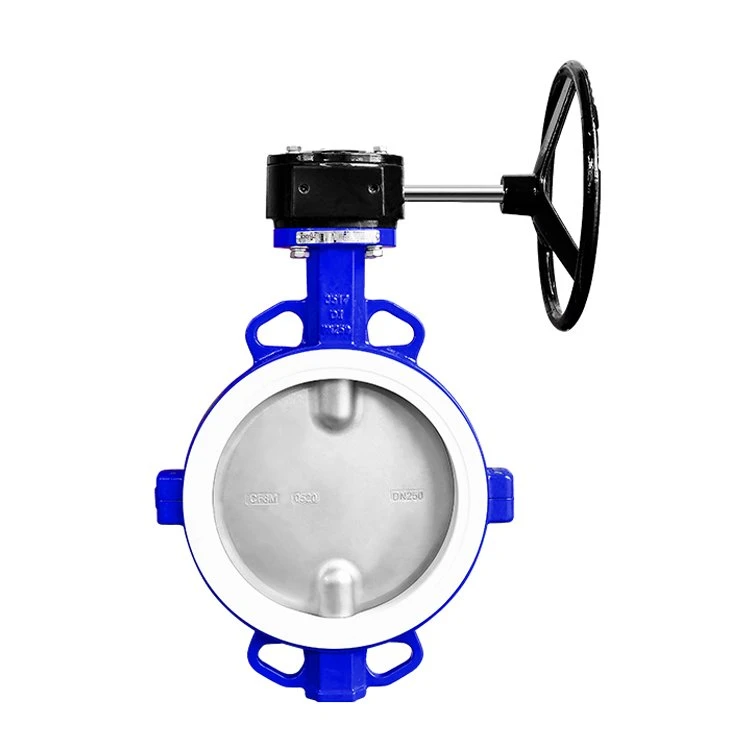
Rubber-lined wafer arrangement
Confirm lining scope, disc coating and how the body centers between the mating flanges.
Select a rubber seated butterfly valve by lining compatibility, pressure and installation fit. Compare EPDM and NBR seat requirements against your process fluid and cleaning conditions.
Request a quoteConfirm lining scope, disc coating and how the body centers between the mating flanges.
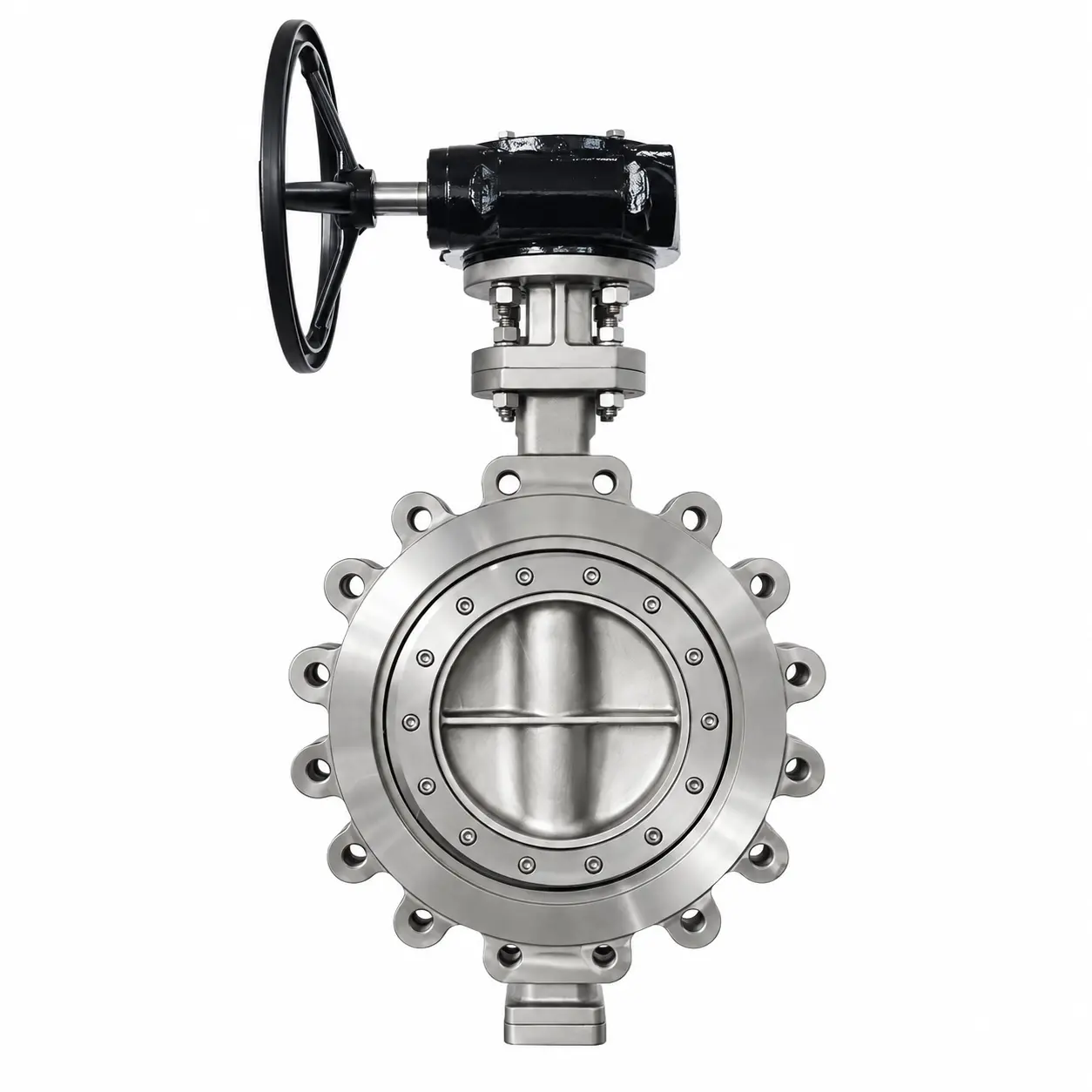
If a resilient seated lug configuration is specified, verify the bolt engagement, seat material and any one-flange service limits for the offered design.
A rubber seated or resilient seated butterfly valve uses an elastomer seat to seal against the disc. Start with the actual fluid, concentration, operating temperatures and any cleaning chemicals. EPDM is often considered for water service and NBR for certain oil-containing duties, subject to the specific compound and operating conditions. Ask for confirmation of compatibility for the seat and the other parts the fluid contacts, including the disc, coating and any exposed seals. If the project requires a drinking-water approval, specify the jurisdiction and request documentation for the exact assembly.
Send the mating flange drawings and the real pipe inside diameter, including lining if fitted. Disc travel can extend past the valve body and clash with a liner, reducer or a close-coupled fitting. Follow the model's instructions on flange faces, gaskets and bolting. State your maximum closed differential and whether pressure may occur on both sides at different times. If a lug valve will be used with one mating flange removed, give that condition explicitly and ask for the documented end-of-line limit.
| Item | Send with your inquiry | Check on the offer |
|---|---|---|
| Seat compound | Process chemistry, cleaning and operating temperature | Compound compatibility and model-specific service range |
| Closure | Differential, direction and required leakage limit | Seat rating, test basis and torque at duty |
| Flange joint | Flange faces, actual pipe ID and adjacent fittings | Disc envelope and installation instructions |
| Operator | Cycle rate, supply and available maintenance access | Proposed operator, torque basis and complete drawing |
For a replacement, send Val-Man your valve tag, fluid data and an installation sketch. Include any history of seat swelling, disc interference or hard operation so the relevant material or fit can be checked. Ask for a material schedule and drawing that cover the complete valve assembly and identify changes from the existing installation.
Review the selection question and confirm the offered drawing, materials and requirements with your inquiry team.
Give the supplier the full fluid composition, operating temperature range and cleaning chemicals. Ask for compatibility for the proposed compound at those conditions. Consider trace oils, solvents or disinfectants that are present during any part of operation and specify any required regulatory approvals on the enquiry.
Check the instructions for the offered valve and mating flange faces. Some resilient seat designs form part of the flange seal, while other layouts have different requirements. Provide flange facing details and ask the supplier to confirm the correct assembled interface.
Compare the disc envelope through its full rotation with the actual lined pipe bore at both ends. Include nearby fittings, inserts or reducers in the sketch. Ask for the minimum clear diameter and any requirements for spacing around the selected body.
State which side can be left open and the maximum differential in that condition. Ask for the exact model's documented end-of-line limits, the required bolting and permitted direction. Confirm how the installation will be reviewed against the piping specification.
Request the seat attachment details and the maintenance instructions. Confirm whether the seat is replaceable for that configuration, what disassembly requires and whether spare seats are available in the specified compound. Include shutdown access and removal constraints when comparing offers.
Send the required size, process duty, installation dimensions and quantity.