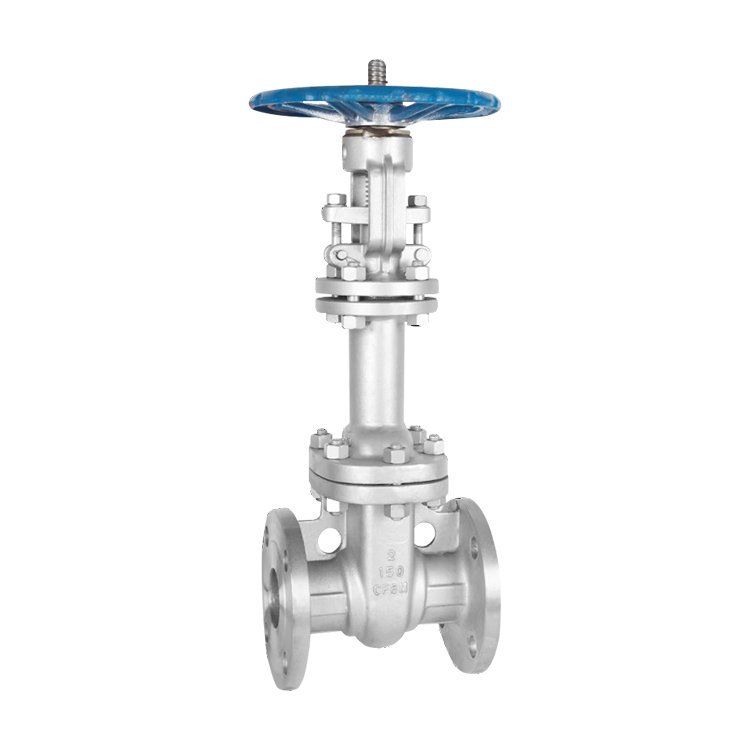
Extended bonnet bellows layout
Use the section drawing to identify how the bellows is joined, where packing sits and what access is required for servicing.
Specify a bellows seal gate valve for isolation duties with stem leakage requirements. Compare the bellows design, cycle basis, secondary sealing and inspection records.
Request a quoteUse the section drawing to identify how the bellows is joined, where packing sits and what access is required for servicing.
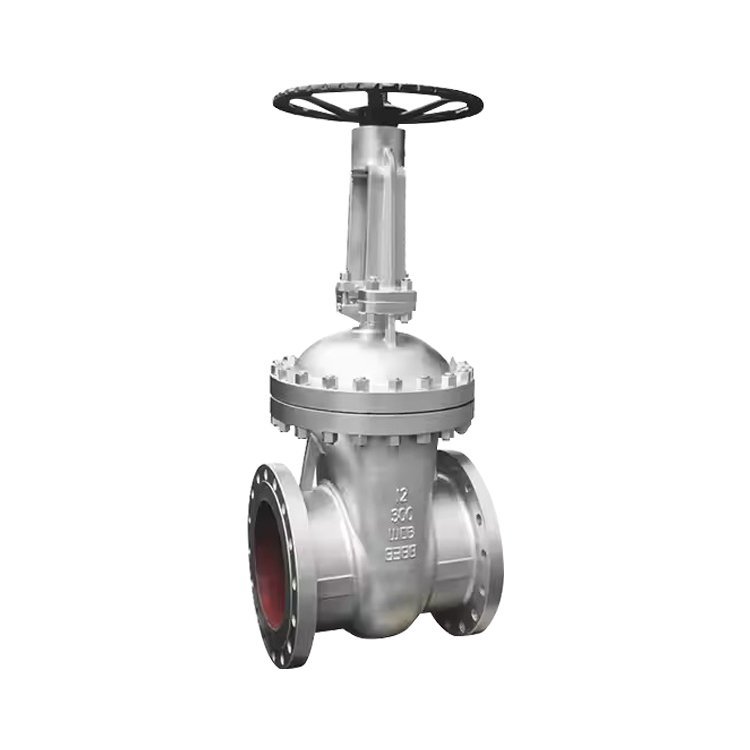
Compare operating height and service clearances. Use the stem sealing and inspection requirements to decide which arrangement belongs in the purchase specification.
A bellows assembly provides a barrier around the moving stem. The valve may also have secondary packing, depending on its construction. Ask for a sectional drawing showing the bellows and its joints, and confirm the proposed materials against the fluid and temperature range. Specify any fugitive-emissions or external-leakage requirement separately from the closed-seat leakage criterion. If a certificate or qualification report is required, confirm that its scope covers the offered model and the relevant operating conditions.
Give the number and type of expected operations, including full strokes, commissioning cycles and thermal cycling. Ask how the cycle qualification was established and what operating limits apply. Verify the installed height, handwheel access and space needed to remove the bonnet or trim. If the project calls for monitoring or a particular secondary seal, show it on the requisition. Confirm which test or inspection verifies the bellows assembly and which verifies the seat.
| Item | Send with your inquiry | Check on the offer |
|---|---|---|
| Stem sealing | Fluid, emissions criterion and secondary seal needs | Bellows material and construction, packing and evidence scope |
| Cycle duty | Expected operations and pressure-temperature cases | Qualification basis, applicable limits and maintenance instructions |
| Seat acceptance | Shutoff differential, direction and leakage criterion | Seat construction and separate seat test records |
| Mechanical fit | Ends, spool length and overhead service space | Arrangement drawing and removal envelope |
Send Val-Man the line duty and the wording of any containment, cycle or acceptance requirement. Ask suppliers to confirm the bellows material, construction and supporting test scope by valve tag. If bellows or packing replacement matters to your maintenance plan, include that requirement and ask for the corresponding parts and procedure.
Review the selection question and confirm the offered drawing, materials and requirements with your inquiry team.
Stem sealing and leakage through the closed valve are separate acceptance items. Specify the external leakage requirement and the required closed-seat leakage limit, including the test medium, differential and direction. Ask the supplier to identify which procedure and records verify each requirement for the proposed valve.
Ask what counts as one cycle, the pressure and temperature used for qualification, and the stroke covered. Then compare those conditions with your expected operation and thermal exposure. Confirm whether the evidence applies to the offered size and construction and identify any exclusions.
Some designs provide a monitoring connection. If required, specify the connection, intended method and inspection scope on the inquiry. Ask the supplier to show the port location on the sectional drawing and confirm what it can indicate for that design.
Check the offered drawing and material schedule. Specify any secondary sealing arrangement required by the project, including its material and any test or inspection. Ask for operating and maintenance instructions that explain access to the packing and limits on intervention.
Compare installed length, flanges, open height and bonnet service clearance. Provide current operating data and the reason for the change. Ask for a sectional drawing, duty limits and confirmation of separate seat and external leakage acceptance before approving the replacement.
Send the required size, process duty, installation dimensions and quantity.