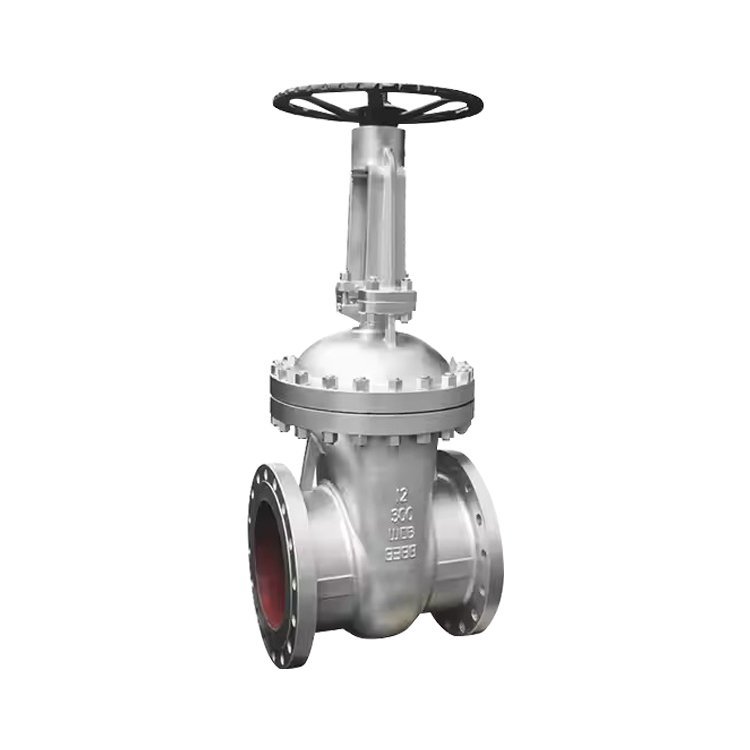
Bolted-bonnet rising-stem layout
Review full-open height, flange dimensions and access to packing. Confirm valve internals and material grades from the proposed specification.
Compare stainless steel gate valve configurations for industrial isolation. Check component grades, flange fit and stem travel before ordering a new valve or replacing an existing one.
Request a quoteReview full-open height, flange dimensions and access to packing. Confirm valve internals and material grades from the proposed specification.
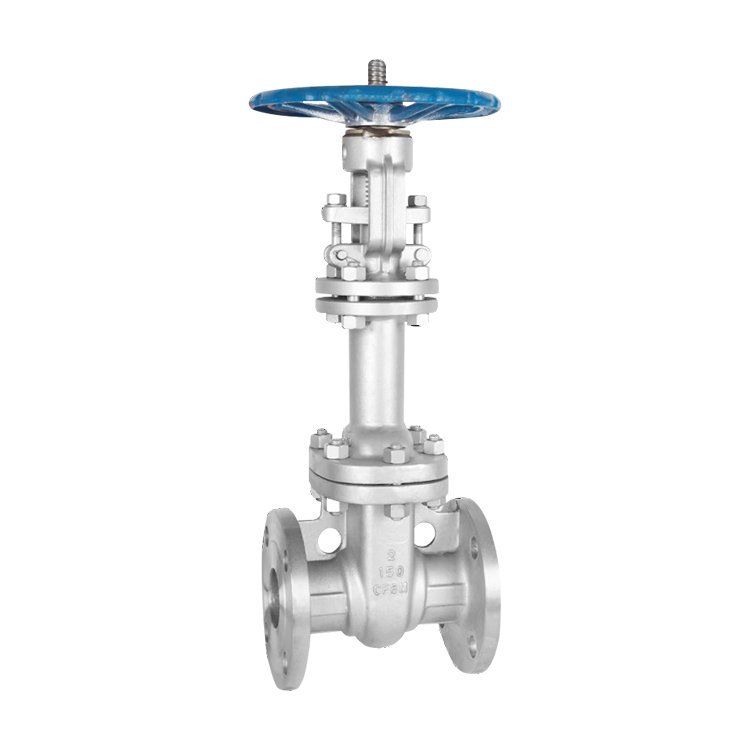
Where containment at the stem is a project requirement, ask for the sealing arrangement, service limits and applicable test evidence for any bellows design proposed.
Use the piping material class to specify the body and bonnet. Check wedge, seat, stem, bolting, packing and gasket as separate parts of the assembly. Share the actual process composition, concentration and temperature range, including any cleaning, shutdown or flushing conditions. If a casting grade such as CF8M is required, name the components it applies to. Ask the supplier to identify material exceptions by valve tag. For service with mandated stem emissions controls, include the governing test and documentation requirements.
Gate valves are generally selected for full-open or full-closed isolation. For a rising-stem design, measure the available height above the pipe and leave room for full stem travel and handwheel access. For replacement work, verify flange facing, bolt pattern and installed length against the existing spool. Give the maximum differential across the closed valve and how often it must operate. If the valve needs gearing or another operator, ask the supplier to confirm operating effort and maintenance clearance on the drawing.
| Item | Send with your inquiry | Check on the offer |
|---|---|---|
| Body and trim | Piping class, actual process exposure and required grades | Material list by part, seat construction and traceability |
| Installed fit | Flange interface, spool length and space for the operator | Approved dimensions, full stem travel and access requirements |
| Operating duty | Maximum differential, frequency and manual effort limit | Operator selection, pressure-temperature limits and shutoff basis |
| Inspection | Pressure and leakage acceptance, traceability and hold points | Tests, records and written deviations for each tag |
For a replacement, send photos of the nameplate and installation alongside your current specification. Flag the reason for replacement, such as stem leakage, corrosion or hard operation. Val-Man can use those details to review the body and trim scope, drawing fit and required inspection records before issuing the quote.
Review the selection question and confirm the offered drawing, materials and requirements with your inquiry team.
Start with the project piping class and the actual process and cleaning fluids. Give their concentrations and temperatures. Specify grades by component, since the body, wedge, seat and stem can have different requirements. Ask for the offered material schedule and review compatibility under the full duty.
Use the full-open height on the proposed drawing. Include any space needed for handwheel use, packing access and parts removal. Give the location of nearby insulation, platforms or supports so the opening travel and maintenance envelope can be checked before purchase.
A standard isolation gate valve is generally intended to operate fully open or fully closed. If your line needs sustained flow regulation, give the pressure and flow range and request a valve designed for that duty. Include the required shutoff differential if one valve must serve both functions.
Consider it when the project specifies tight control of leakage at the stem. Identify the process fluid, pressure and temperature cycle, expected operations and specified emissions or leakage test. Confirm the bellows material, service limits and test basis for the offered valve.
Send the flange standard, size, class, facing and actual bolting details. Check the new flange thickness and gasket arrangement on the approved drawing. Confirm bolting material, length and suitability with the piping team, including any site rules on reusing existing bolting.
Send the required size, process duty, installation dimensions and quantity.