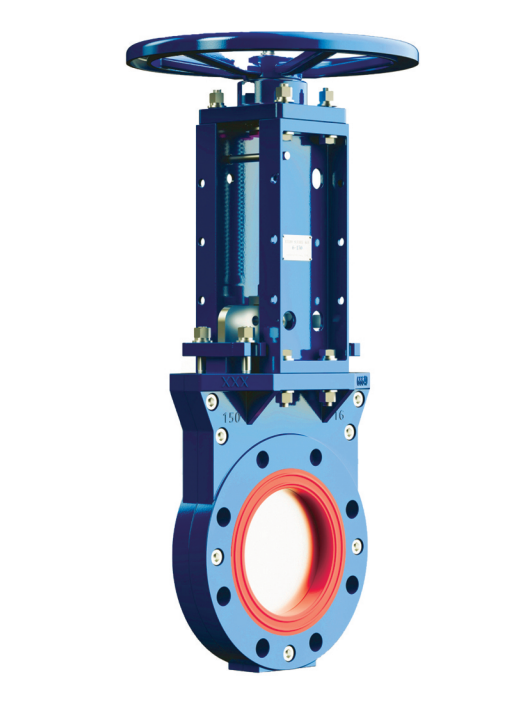
PSK-S1 polyurethane-lined configuration
Review the liner and seat arrangement against the actual slurry chemistry, temperature, abrasion and maintenance plan.
Compare slurry knife gate configurations for lines carrying solids. Review abrasion, settling, sealing direction and service access before requesting a project quote.
Request a quoteReview the liner and seat arrangement against the actual slurry chemistry, temperature, abrasion and maintenance plan.
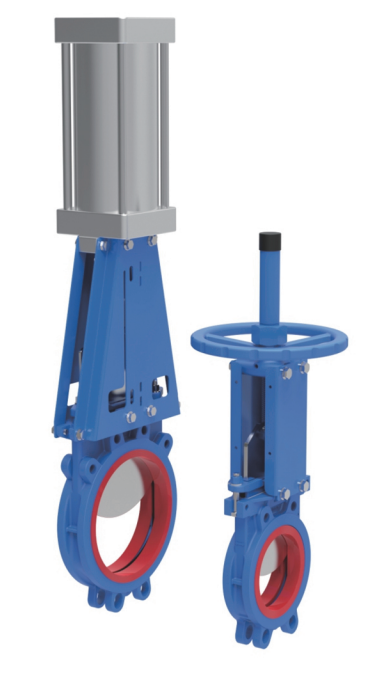
Describe applications where solids can settle or compact and confirm the offered body, gate and service access.
A slurry knife gate valve uses a sliding gate for isolation in a line carrying suspended solids. Selection depends on the medium and how the solids behave when flow slows or stops. Provide particle size and hardness, solids concentration, liquid chemistry, temperature, line velocity and cycling. Describe where material settles or plugs the line and whether it can compact across the valve during an idle period. Ask the supplier to review the body passage, liner, gate, seat and actuator together for those conditions.
The PSK-S1 polyurethane-lined arrangement is an existing reference for reviewing wear and lining. The QS grooveless mining arrangement is a reference for reviewing buildup around the body and gate. For both models, confirm sealing direction, shutoff differential, wetted materials and any cleaning or service steps. Check mating flanges, installed length, mounting and the room available to remove wear parts before ordering.
| Item | Send with your inquiry | Check on the offer |
|---|---|---|
| Solids and wear | Fluid composition, particle sizes, hardness, concentration and velocity | Liner, gate and seat construction and materials |
| Buildup | Idle time, settling, flush sequence and where deposits accumulate | Body arrangement, allowable orientation and cleaning or service needs |
| Shutoff | Expected pressure sides, differential, fluid and leakage acceptance | Pressure direction, offered service limits and test basis |
| Fit and operation | Installed dimensions, mounting, duty cycle and available utilities | Assembly drawing, operator sizing and maintenance space |
Review performance and serviceability together before comparing price. Ask for the supplied wear parts, replacement procedure and any spare parts identified in the quote. If a downstream header can pressurize the closed valve during a stop or flush, include the maximum differential in that direction. Compare quoted valve and operator assemblies using the same sealing and inspection basis.
Review the selection question and confirm the offered drawing, materials and requirements with your inquiry team.
Send the old valve tag, photographs showing the wear location and your service history. Include the solids type, particle distribution, velocity and how often the valve cycles. Note whether failure occurs at the liner, gate, packing or seat so the supplier can evaluate the proposed materials and construction against the observed problem.
Check the liquid chemistry, temperature, particle hardness and operating velocity with the supplier. Consider both abrasion and chemical compatibility. Ask for the offered liner material and written service limits for the assembly before approving the construction.
Describe the time the pipe remains idle, where solids collect and how the system restarts. Provide the layout and flushing availability. Ask for the valve construction, mounting instructions and any cleaning or service procedures that apply to the offered model.
Check the pressure on either side when the valve is closed during operation, pump shutdown, cleaning and upset cases. If shutoff is required both ways, state the differential and leakage acceptance for each direction and request the applicable test basis.
Give the duty cycle, actual opening and closing loads if known, operating differential, solids behavior and lowest running air pressure at the actuator. Ask the supplier to confirm cylinder force, travel and controls scope against the complete assembly and required stroke time.
Send the required size, process duty, installation dimensions and quantity.