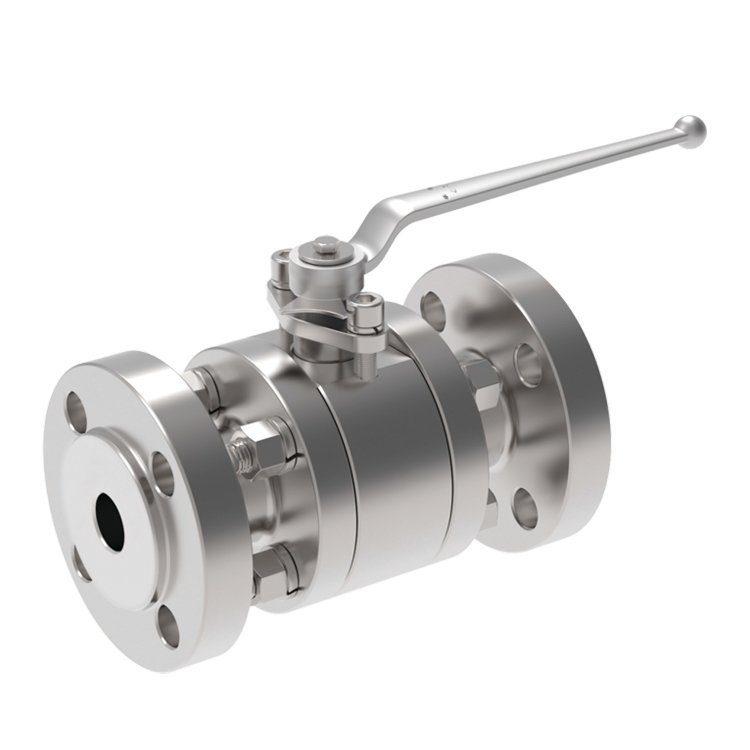
Floating ball design
Use this configuration as a starting point when comparing manual isolation valves. Confirm differential-pressure limits and operating torque at your design conditions. The image shows the layout.
Compare carbon steel ball valve configurations for industrial isolation. Specify the body product form, bore, seats and shutoff conditions before requesting a quote.
Request a quote
Use this configuration as a starting point when comparing manual isolation valves. Confirm differential-pressure limits and operating torque at your design conditions. The image shows the layout.
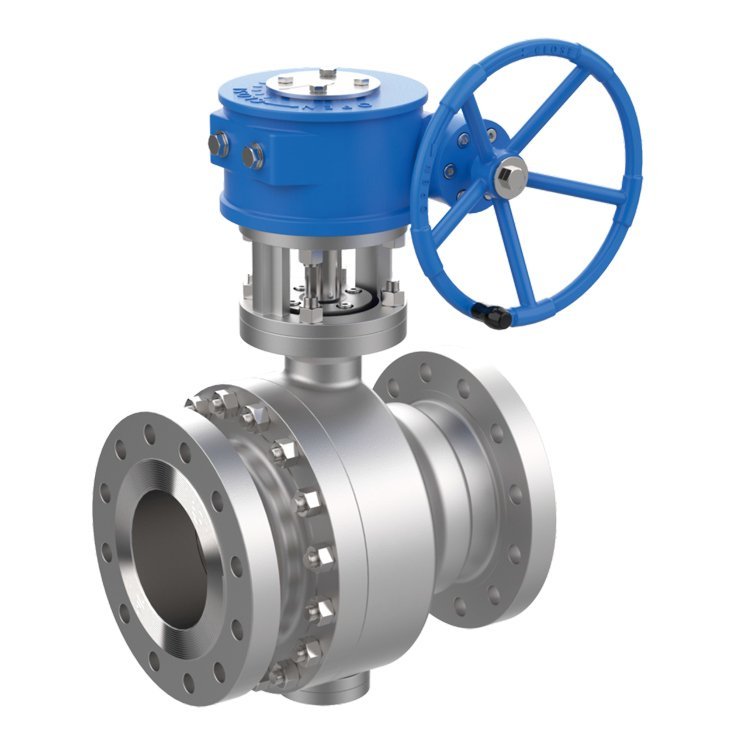
Compare seat design, flow direction, cavity pressure relief and the requirement for drain or vent connections. Confirm the proposed assembly by tag. The image shows the layout.
ASTM A216 WCB is a cast steel grade. ASTM A105 covers carbon steel forgings for piping applications. When a requisition calls for one of these designations, identify the components it applies to and whether an alternative product form is allowed. A single body designation leaves the end pieces, ball, stem and bolting open. Review those components along with seat inserts, stem seals and gaskets. Ask for the pressure-temperature limits of the entire offered assembly at the process conditions, including start-up and any other temperature excursions.
If you are replacing a valve, measure the installed length and record the flange facing, bolt pattern and actual bore. Ask for the drawing dimensions of the offered valve and check them against your piping specification. For automated isolation, add the maximum differential pressure at opening and closing, the minimum available air pressure or electrical supply, and the required response to power loss. If you need to pass a pig or cleaning tool, send its dimensions and ask for the minimum clear bore through the assembled valve.
| Item | Send with your inquiry | Check on the offer |
|---|---|---|
| Pressure boundary | Required cast or forged grade by component | Material schedule, product form and traceability |
| Bore and connection | Minimum clear bore, mating flange and available spool length | Passage diameter, flange facing and dimensional drawing |
| Seat and trim | Fluid, temperature range, differential and leakage criterion | Ball surface, seat and seal materials, rating and test basis |
| Operator | Available supply, stroke time and required fail position | Torque basis, sizing margin and included accessories |
When asking for alternate quotes, keep the bore, service conditions and shutoff requirements identical. Ask each supplier to record any differences in body construction, seats, drawing dimensions and documentation by valve tag. Val-Man can review your line list and identify the information needed to put each proposed configuration on the same purchase basis.
Review the selection question and confirm the offered drawing, materials and requirements with your inquiry team.
WCB and A105 apply to different product forms and material specifications. Follow your piping class and the valve design specification. If the proposed valve changes from cast to forged construction, compare the drawings, rating basis, material schedule and documentation. Route the deviation through the project’s approval process.
Body and trim are specified separately. Request the proposed ball, stem and seat materials by component, including coatings or overlays if applicable. Review them against the process fluid and cleaning media, and confirm that the seals and seats support the required duty.
Give the required clear opening in millimetres or inches and identify any cleaning tool that must pass through. Check the approved drawing for the narrowest passage and confirm alignment with the connecting pipe. The valve’s nominal size gives you a starting point for this check.
Use the model’s pressure-temperature chart and confirm proposed seat and seal materials. Provide differential pressure at shutoff and during operation, especially during start-up. Check the pressure boundary and the ordered seat assembly against the same service conditions.
Identify the required material records and traceability by component. List pressure and seat tests, inspection hold points and drawing approval requirements. Ask the supplier which documents are included and when they will be available so the inspection scope can be compared before award.
Send the required size, process duty, installation dimensions and quantity.