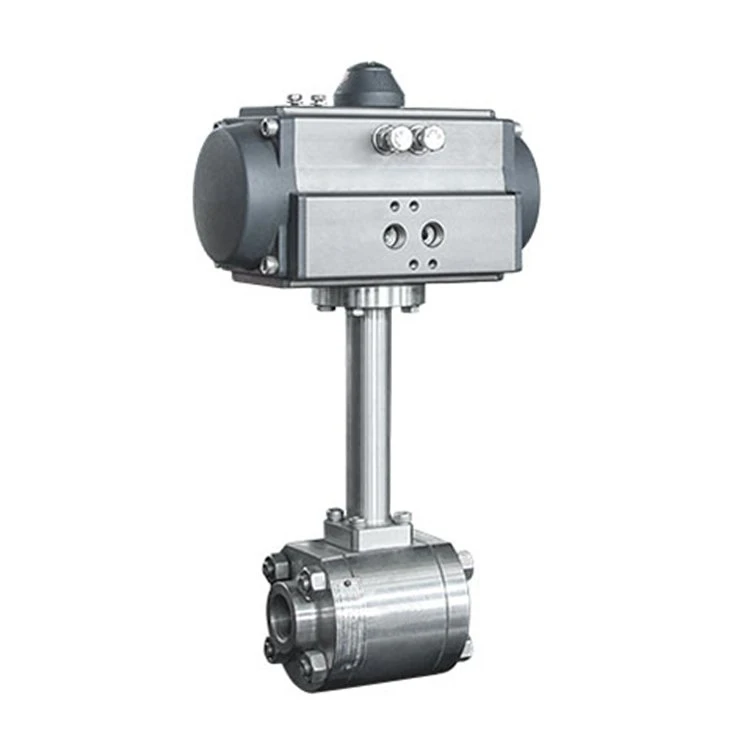
Extended-stem assembly
Review extension length, insulation clearance and actuator access on the proposed arrangement drawing.
Review cryogenic ball valves for low-temperature isolation. Match the materials, bonnet extension, cavity relief and qualification test to the actual fluid and temperature.
Request a quoteReview extension length, insulation clearance and actuator access on the proposed arrangement drawing.
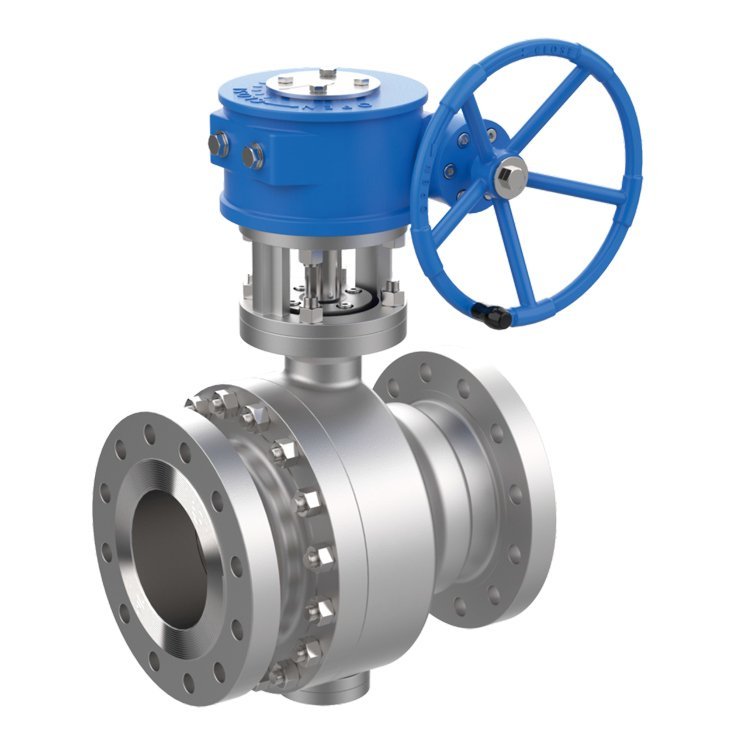
If a trunnion design is proposed, confirm its cryogenic qualification, seat pressure direction and cavity relief separately.
Put the fluid, phase and minimum design temperature on your valve datasheet. Include the highest pressure at the relevant cold condition as well as start-up, cooldown, warm-up and standby cases. Ask for a material schedule covering the pressure boundary, ball, stem, seats, seals and packing. A stainless body designation alone does not establish the assembly's cryogenic service range. Review thermal contraction, seat leakage limits and the low-temperature test basis for the exact trim being quoted.
Check the extended bonnet length against insulation thickness, stem orientation and the proposed operator location. With an automated assembly, add power or instrument air, required fail position and torque at the cold operating differential. If liquid can be trapped in the body cavity, give the supplier the expected pressure directions and ask for the relief path on a drawing. Coordinate flow arrows and any mounting limits with the piping team before ordering.
| Item | Send with your inquiry | Check on the offer |
|---|---|---|
| Service limits | Minimum temperature and coincident pressure cases | Assembly rating and grade schedule for all wetted components |
| Stem and bonnet | Installation orientation and insulation drawing | Extension dimensions and limits on mounting orientation |
| Cavity relief | Trapped-liquid case and permitted relief destination | Seat direction, flow marking and relief arrangement |
| Acceptance | Required test temperature, medium and leakage limits | Test procedure and traceable records for the offered build |
Send Val-Man the low-temperature duty, control requirements and insulation drawing together. If the site requires a specific configuration for a cold box or an insulated line, note your access and mounting constraints on the drawing. Record the required production testing so procurement can compare what each quotation actually includes.
Review the selection question and confirm the offered drawing, materials and requirements with your inquiry team.
The extension separates the stem packing or operator from the cold body, subject to the design and installation. Confirm the offered assembly's materials, minimum temperature, seat design and low-temperature test basis. Check orientation and insulation constraints because they affect how the extension functions in service.
Request a drawing that identifies the relief path and any preferred pressure side. If the design calls for a directional arrangement, verify the arrow or tag orientation against the piping drawing. Include reverse pressurization and warm-up cases in the project review.
Match the required test to the governing project specification. If a cold test is required, state the target temperature, test medium, conditions for stabilization, leakage acceptance and records. Ask the supplier to identify whether testing covers each valve or a defined sample.
Mounting limits depend on the model, extension and duty. Give the planned stem angle, flow direction and insulation arrangement. Ask for the specific installation limits and identify the approved orientation on the drawing so it can be checked at installation.
Provide torque-related service conditions, including the maximum differential and the cold temperature at actuation. Share available supply, expected cycle frequency, required stroke time and response to loss of power. Confirm the operator and mounting package on the assembled drawing.
Send the required size, process duty, installation dimensions and quantity.