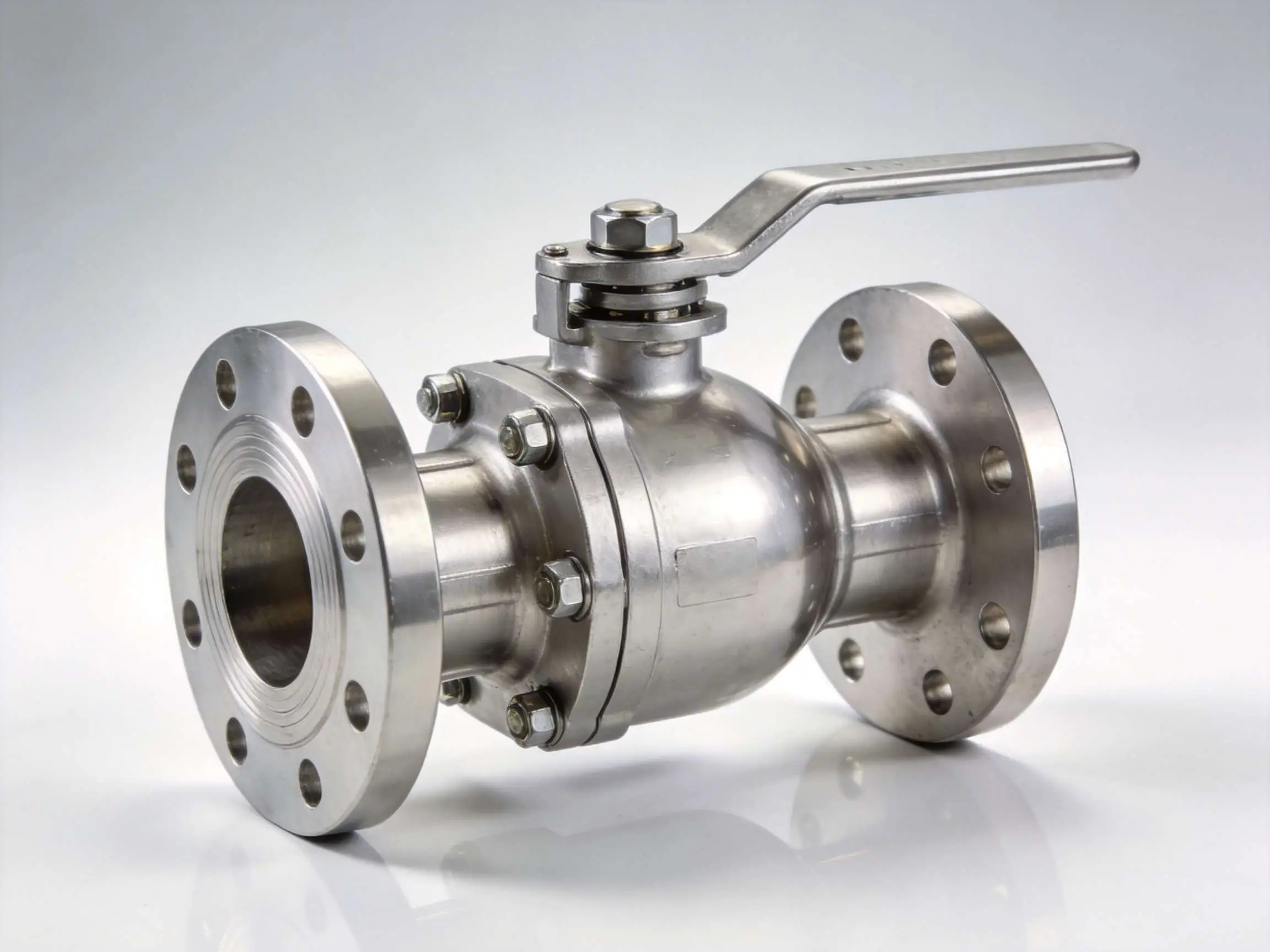
Manual flanged arrangement
For a hand-operated assembly, verify available handle sweep or gearbox access and confirm the required operating effort under the design conditions.
Specify a flanged ball valve around the mating pipeline flanges, required bore and service conditions. Review manual and actuated arrangements for isolation and replacement projects.
Request a quoteFor a hand-operated assembly, verify available handle sweep or gearbox access and confirm the required operating effort under the design conditions.
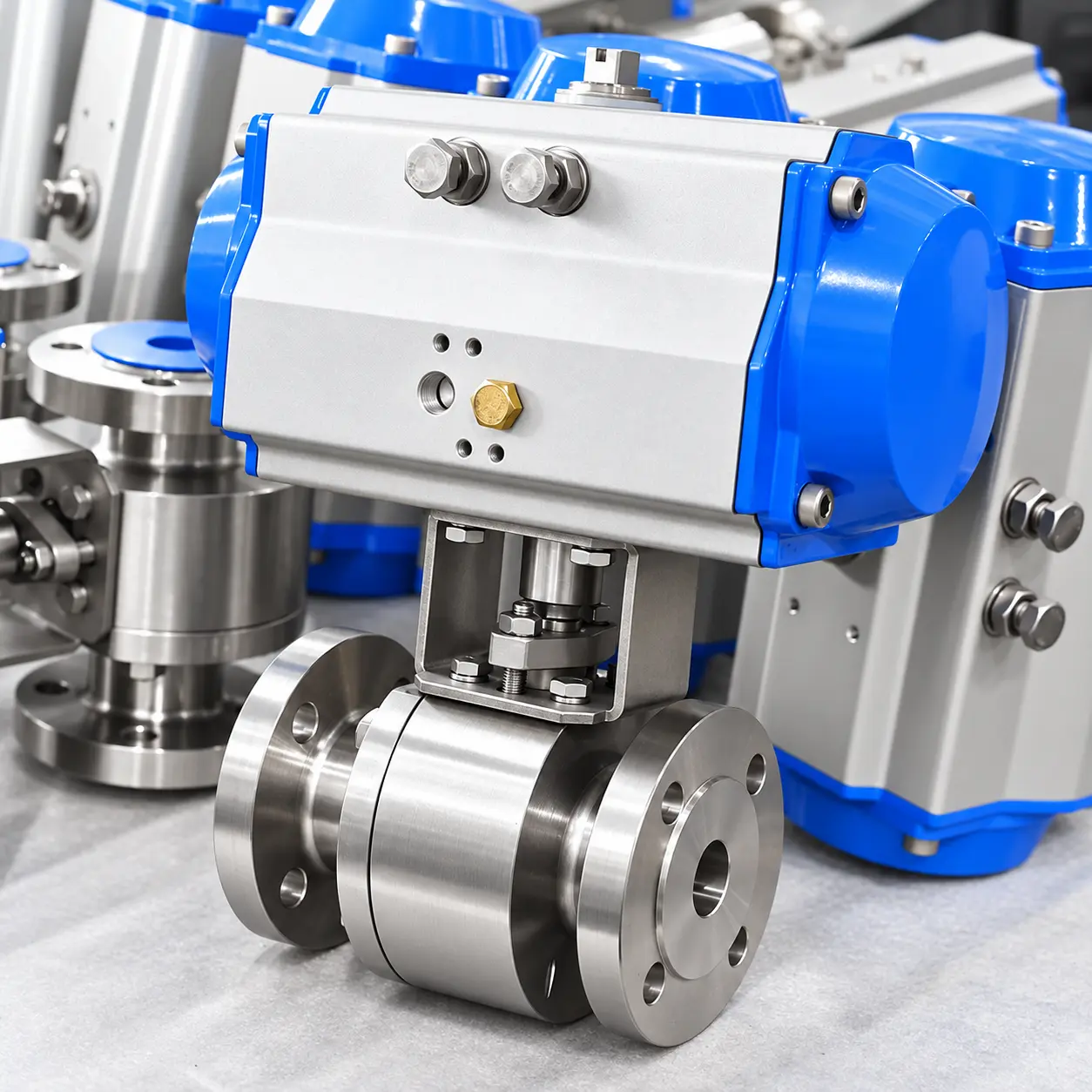
Review the valve, actuator, bracket and coupling as an assembly. Confirm available air pressure and the action requested on loss of utilities.
A flanged ball valve uses bolted end flanges to connect to the pipeline. Flanges define the interface, while the floating or trunnion ball support, seat and body construction determine how the assembly handles service loads. Start with the actual piping flange standard, class or PN, facing and bore. Ask for a drawing so your team can check these details alongside the bolt pattern and installed length.
For a replacement, measure between the existing flange faces and identify the reference faces used for the dimension. Include the valve tag, body markings and photos of the mating flanges. A change in body pattern or operator can affect clearance even when bolt holes align. List gasket, bolting and support requirements separately on your inquiry.
| Item | Send with your inquiry | Check on the offer |
|---|---|---|
| Flange interface | Flange standard and facing, mating pipe details and bolt pattern | A dimensioned drawing with both ends identified |
| Flow passage | Minimum bore, fluid, flow range and any cleaning-tool clearance requirements | Actual bore and the proposed full or reduced-port arrangement |
| Shutoff | Differential pressure, fluid and temperature, leakage limits and flow direction | Quoted materials, seat arrangement and test scope |
| Operation | Hand lever, gear or actuator preference, and space around the valve | Full movement envelope, torque basis and mounting details |
When evaluating two offers, compare the line items using the same installed dimensions and the same acceptance requirements. Ask each supplier to state deviations from the piping class or project datasheet. If the line needs an actuated valve, include the actuator in the comparison rather than comparing a bare valve price with an assembled package.
Review the selection question and confirm the offered drawing, materials and requirements with your inquiry team.
Compare the exact flange standard, facing, drilling and face-to-face dimension on the offered drawing. Then check the bore and access for the handle, gearbox or actuator. Nominal size and class alone cannot establish interchangeability, particularly when the replacement crosses flange systems or changes body pattern.
The flange designation is one part of the specification. Check the allowable pressure at the design temperature for the offered body, ends, seats and other limiting components. Request the rating basis and written service limits for the complete assembly.
Use a minimum bore requirement when pressure loss, cleaning equipment or an existing flow passage constrains the line. Tell the supplier the bore you need and how it will be checked. Review the offered drawing instead of relying on the nominal pipe size.
Ask the offer to identify the valve, operator and any accessories such as gaskets, bolting or limit switches. Request the drawings, material documentation and test reports the project requires. Check the delivery terms and destination before comparing totals.
Both ball support arrangements can be used with flanged ends. Choose the support and seat arrangement based on the intended shutoff duty, operating torque and service requirements. Check both the valve section and the dimensioned outline on the offer.
Send the required size, process duty, installation dimensions and quantity.