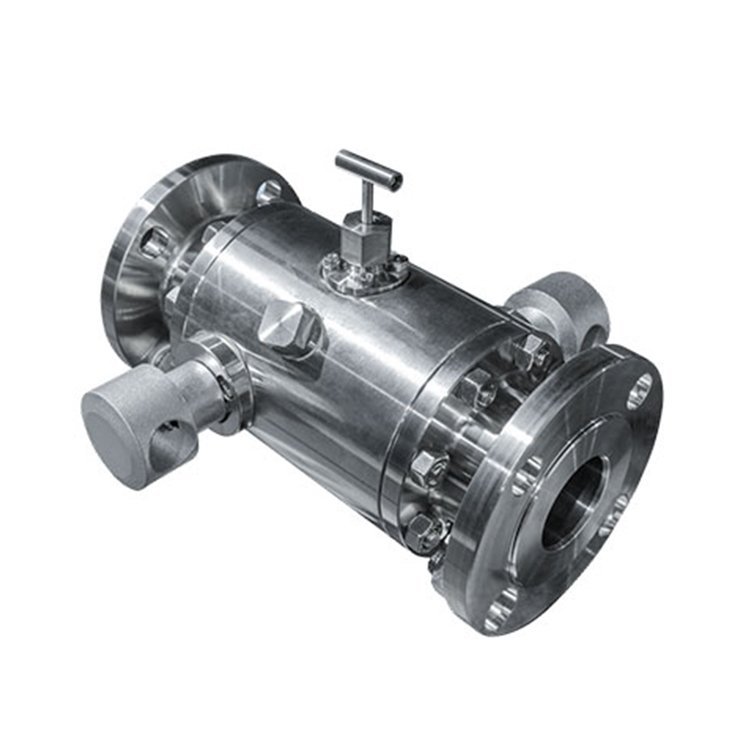
Flanged assembly with a bleed connection
Review the drawing for the supplied bleed hardware, its connection and access after installation.
Specify a double block and bleed ball valve by the isolation function your line requires. Compare seat directions, cavity relief and bleed connections before approving the valve drawing and test scope.
Request a quoteReview the drawing for the supplied bleed hardware, its connection and access after installation.
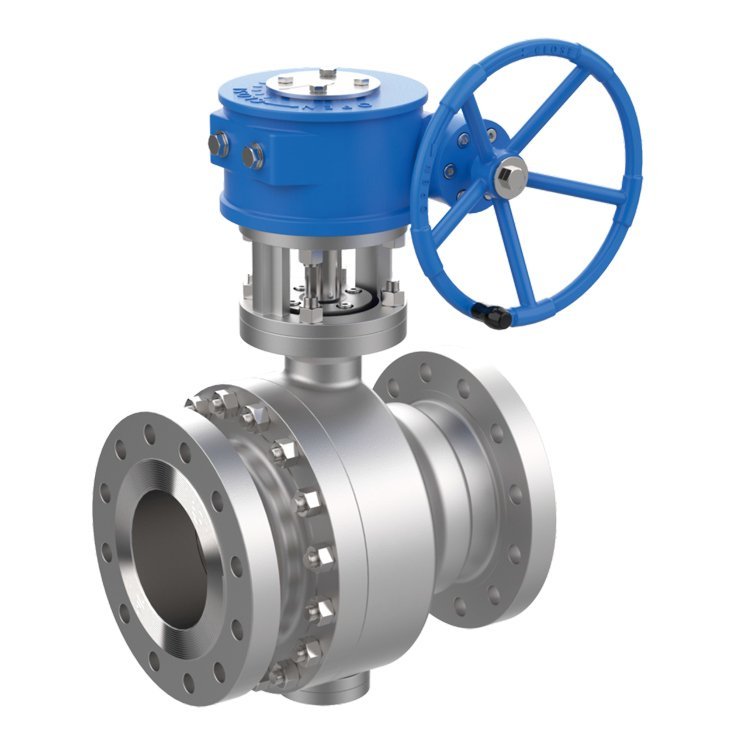
Use the proposed seat schematic to confirm which directions the seats seal and how pressure is relieved from the cavity.
A double block and bleed (DBB) valve combines two sealing surfaces and a means to vent or drain the space between them. For procurement, describe the pressure source on each side and the isolation expected at each seat. A DBB designation alone leaves open whether the assembly provides two barriers against pressure from a single side. If your specification requires double isolation and bleed (DIB), state that function, the required direction and the applicable seat test. Ask the supplier for a sectional drawing that shows the seating and cavity relief arrangements.
Give the line size, service medium, design and operating pressure-temperature cases, and anticipated differential across the closed valve. Mark the bleed destination on your piping sketch and identify the material, connection and accessibility requirements for the bleed assembly. Check whether cavity relief is internal or external and where it discharges. If this is a retrofit, compare face-to-face dimensions and confirm space for the operator, bleed piping and inspection access before placing an order.
| Item | Send with your inquiry | Check on the offer |
|---|---|---|
| Isolation function | Pressure source and required barrier on each side | Seat orientation and isolation test sequence |
| Cavity pressure | Process conditions and accepted relief destination | Relief path and limits of the seat arrangement |
| Bleed assembly | Connection, materials, access and outlet routing | Components and interfaces covered by the offer |
| Inspection | Test medium, pressure, leakage and witness requirements | Tag-specific procedure, acceptance basis and record scope |
Send Val-Man your valve datasheet, pressure-side sketch and required seat tests. If a project specification only lists DBB by name, clarify the isolation function with the piping team before comparing prices. A written description of the required barriers lets the supplier identify deviations in the quote and shows inspectors what the test must demonstrate.
Review the selection question and confirm the offered drawing, materials and requirements with your inquiry team.
The designations describe different seat functions under API terminology. State where pressure can originate, which barriers must hold and whether isolation is required in both directions. Have the supplier mark how each seat responds to line and cavity pressure and confirm the corresponding test for the exact proposed valve.
Specify which side is pressurized during each test, the state of the cavity connection, the test pressure and medium, and the acceptable leakage. Ask the supplier to identify which seat each step verifies and include any witness or reporting requirements on the order.
Check the offered cavity relief design and the piping specification. Manual bleeding and automatic relief address different conditions. Ask the supplier to identify the relief path and any external hardware required. The project team should confirm where fluid can discharge during bleeding or relief.
Seat direction and cavity relief are model-specific. Request the sectional drawing and seat schematic for the ordered configuration. Where either side can be the pressure source, state both cases on the inquiry and require the supplier to identify any preferred installation direction.
Compare face-to-face length, flange details, bore and operator envelope. Include pipework and valve handles around the bleed outlet. Request a drawing of the complete assembly so the review includes anything that projects beyond the body or needs access during inspection.
Send the required size, process duty, installation dimensions and quantity.